Optics & Light Calculators — Lenses, Mirrors & Refraction
Solve the thin lens equation, mirror equation, Snell's law refraction, magnification, and critical angle problems for converging and diverging optical systems.
Optics & Light Calculators
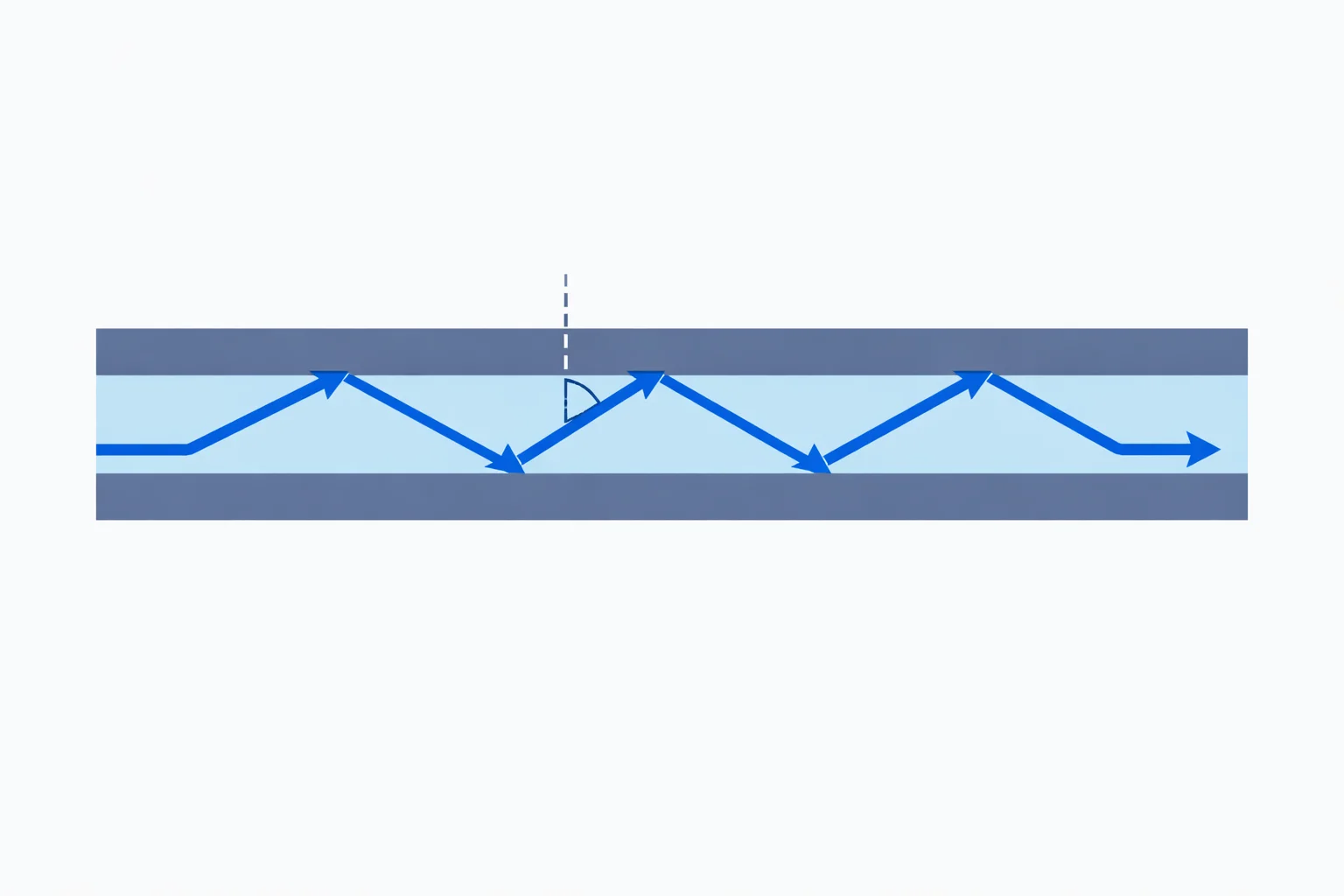
Critical Angle Calculator
Find the critical angle for total internal reflection with θc = arcsin(n₂/n₁) — plus fiber-optic numerical aperture, acceptance cone, and real material presets.
Use Calculator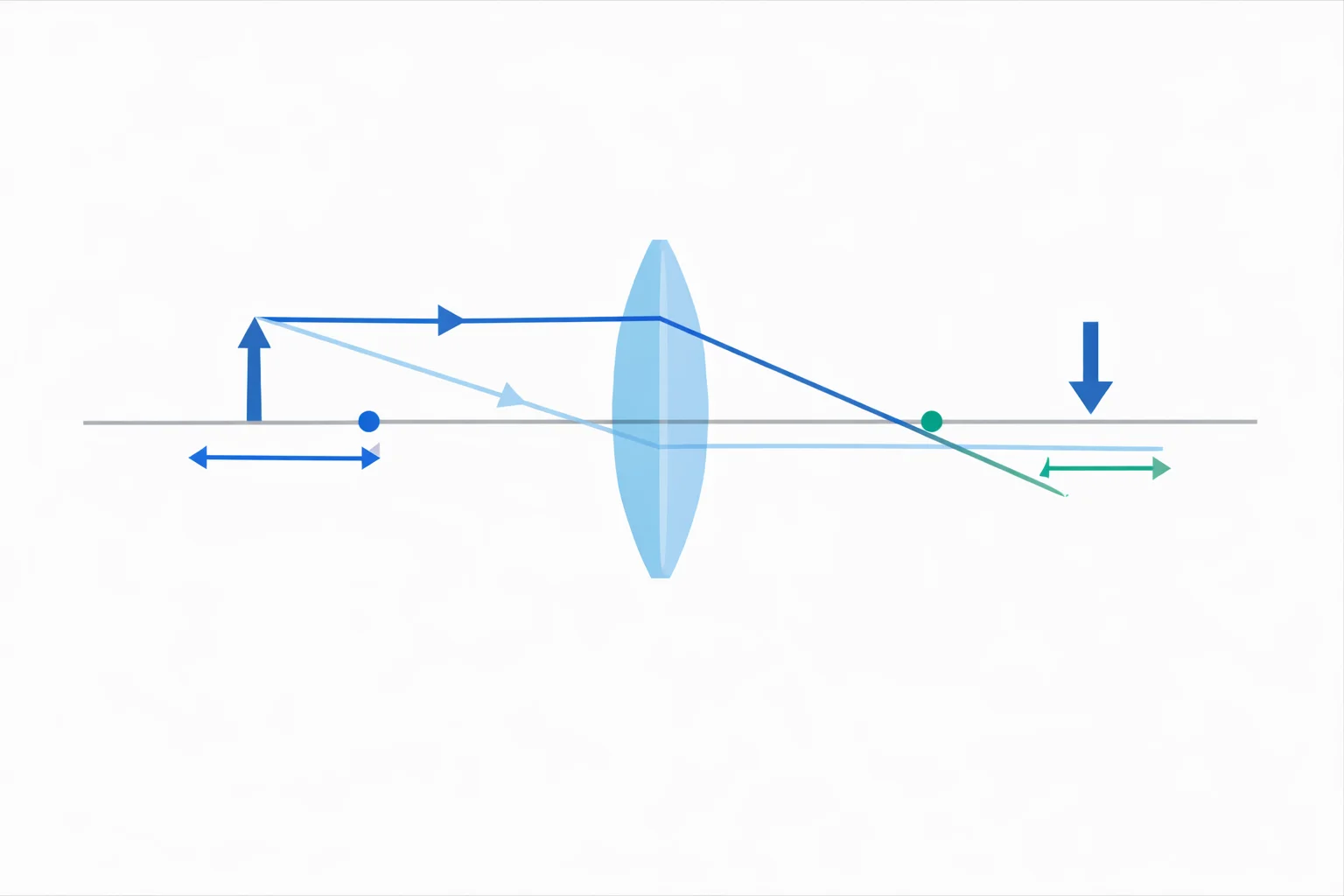
Lens Equation Calculator
Solve the thin lens equation 1/f = 1/do + 1/di for image distance, object distance, or focal length. Get magnification, image type, and a live ray diagram.
Use Calculator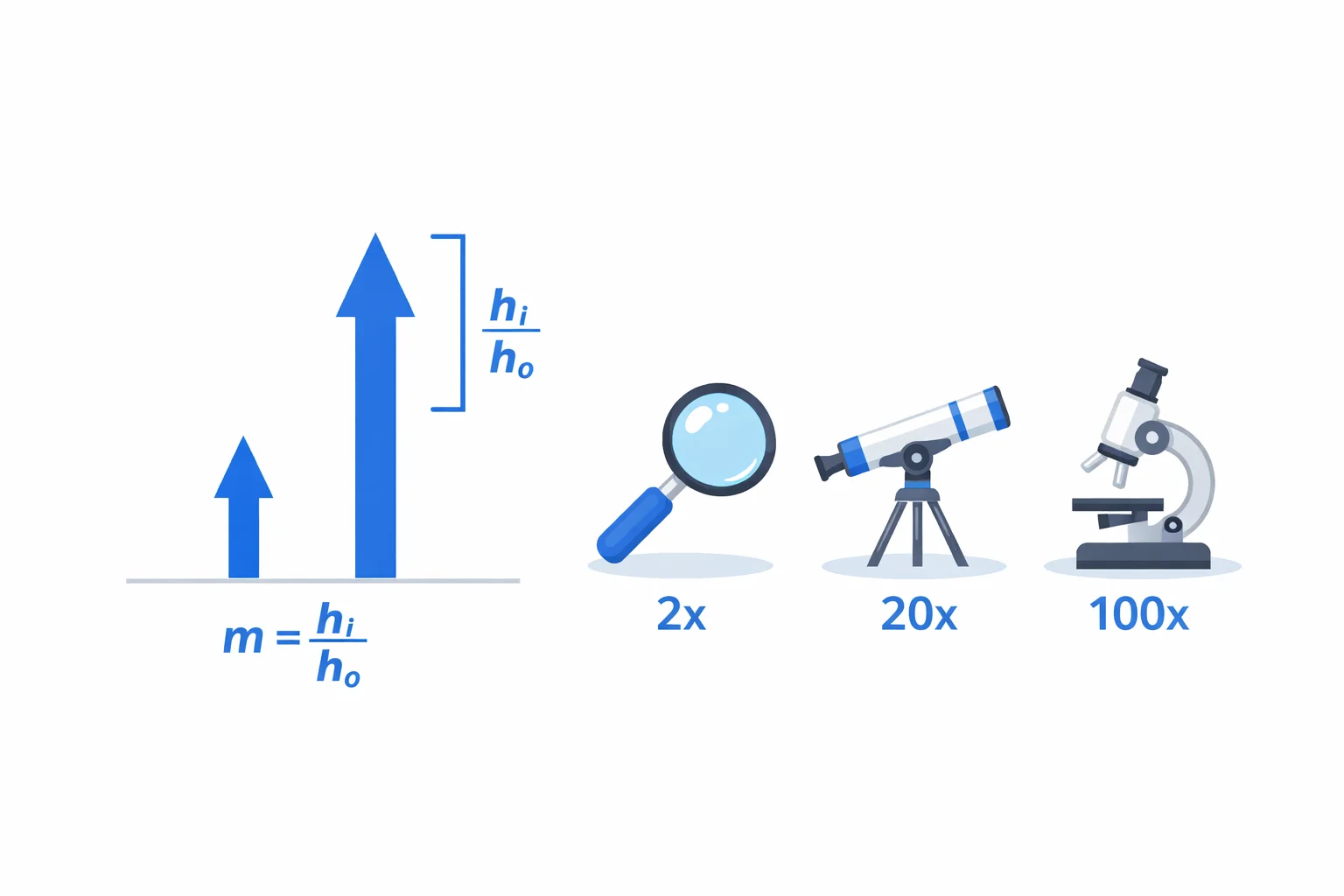
Magnification Calculator
Calculate magnification from heights or distances, plus angular magnification for magnifiers, telescopes, and microscopes. See the height ratio and full breakdown.
Use Calculator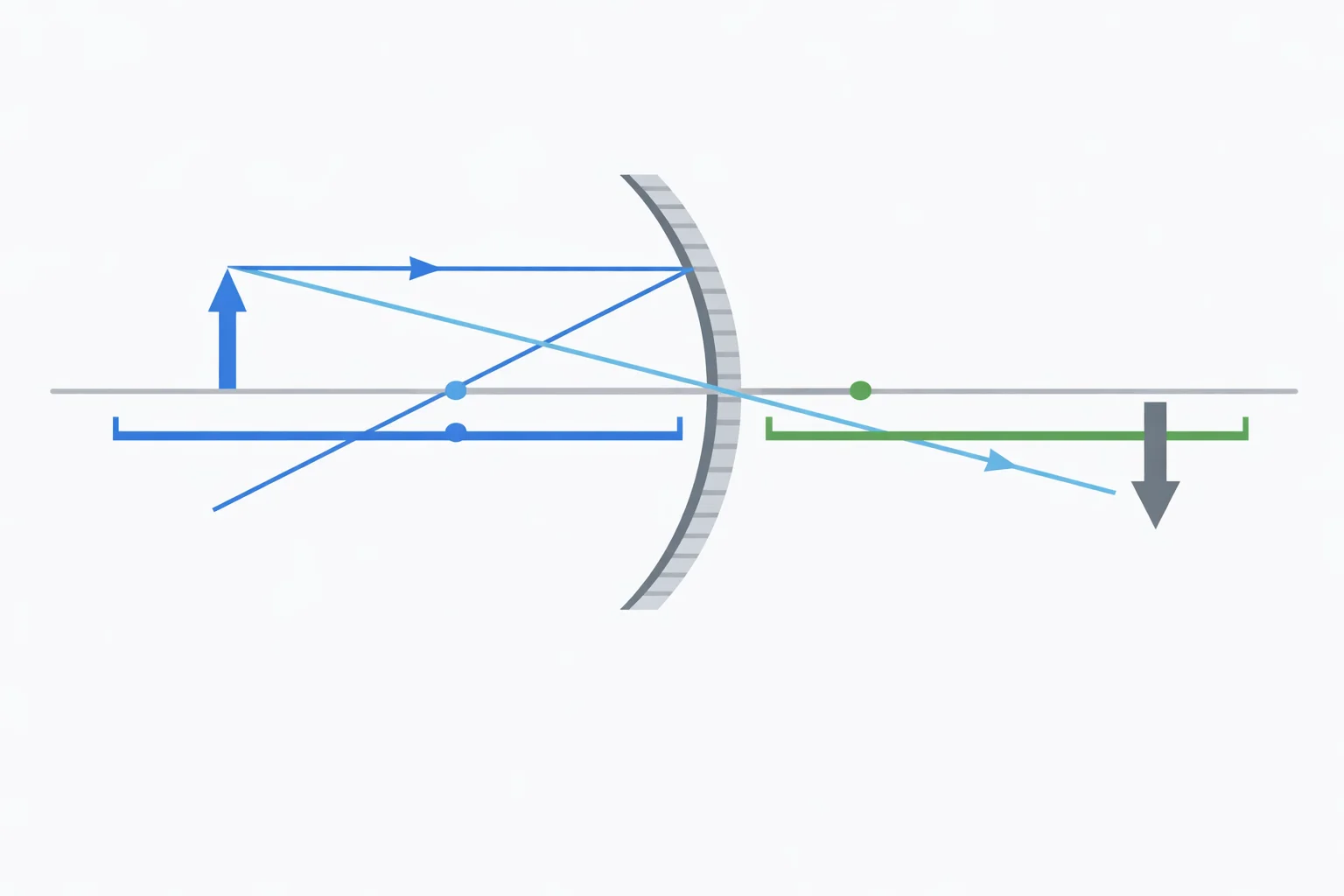
Mirror Equation Calculator
Solve 1/f = 1/dₒ + 1/dᵢ for concave and convex mirrors. Enter focal length or radius to get image distance, magnification, and a live reflection diagram.
Use Calculator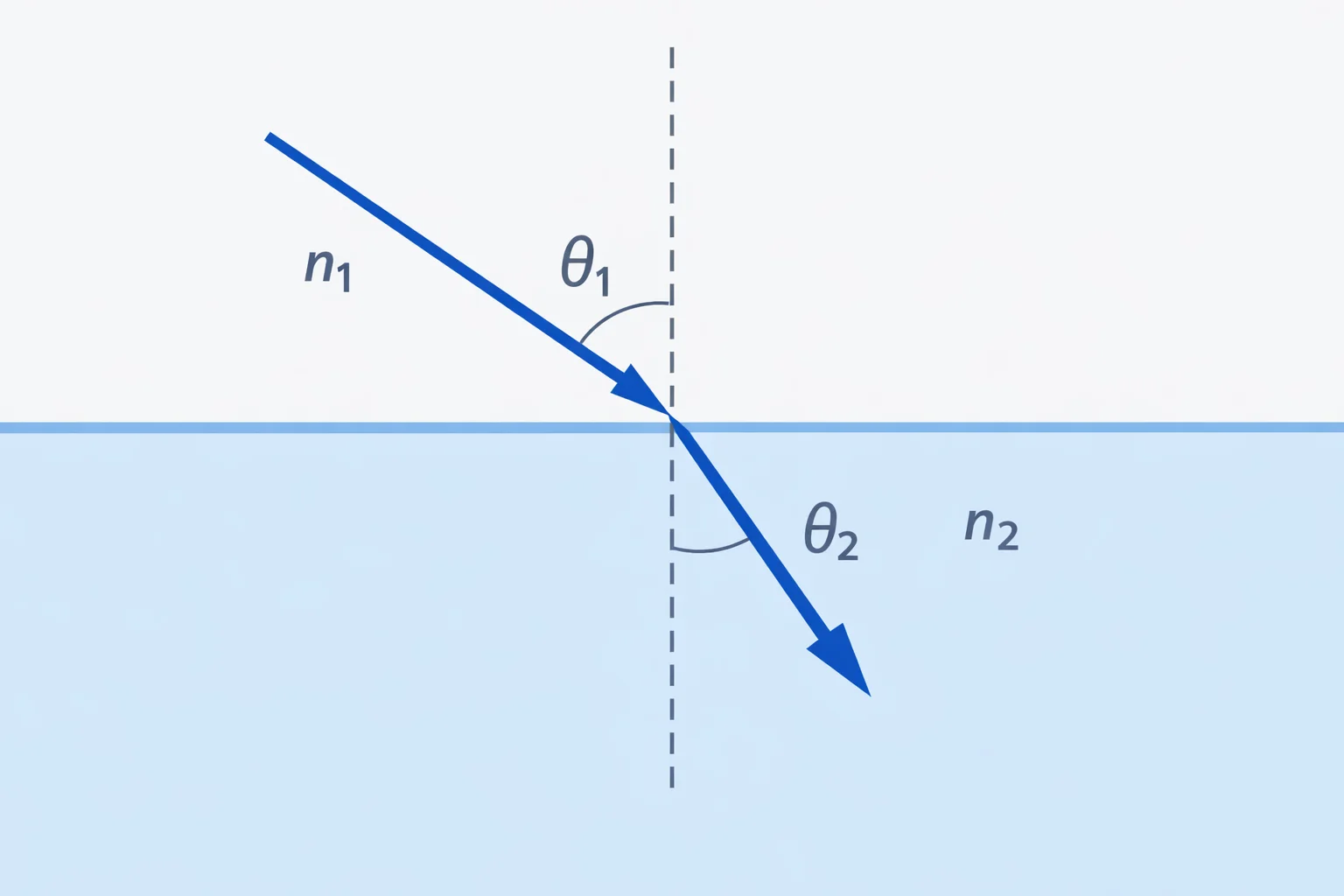
Snell's Law Calculator
Solve n₁ sin θ₁ = n₂ sin θ₂ for the refraction angle, incident angle, or refractive index. Get the critical angle, light speed, and a live ray diagram.
Use Calculator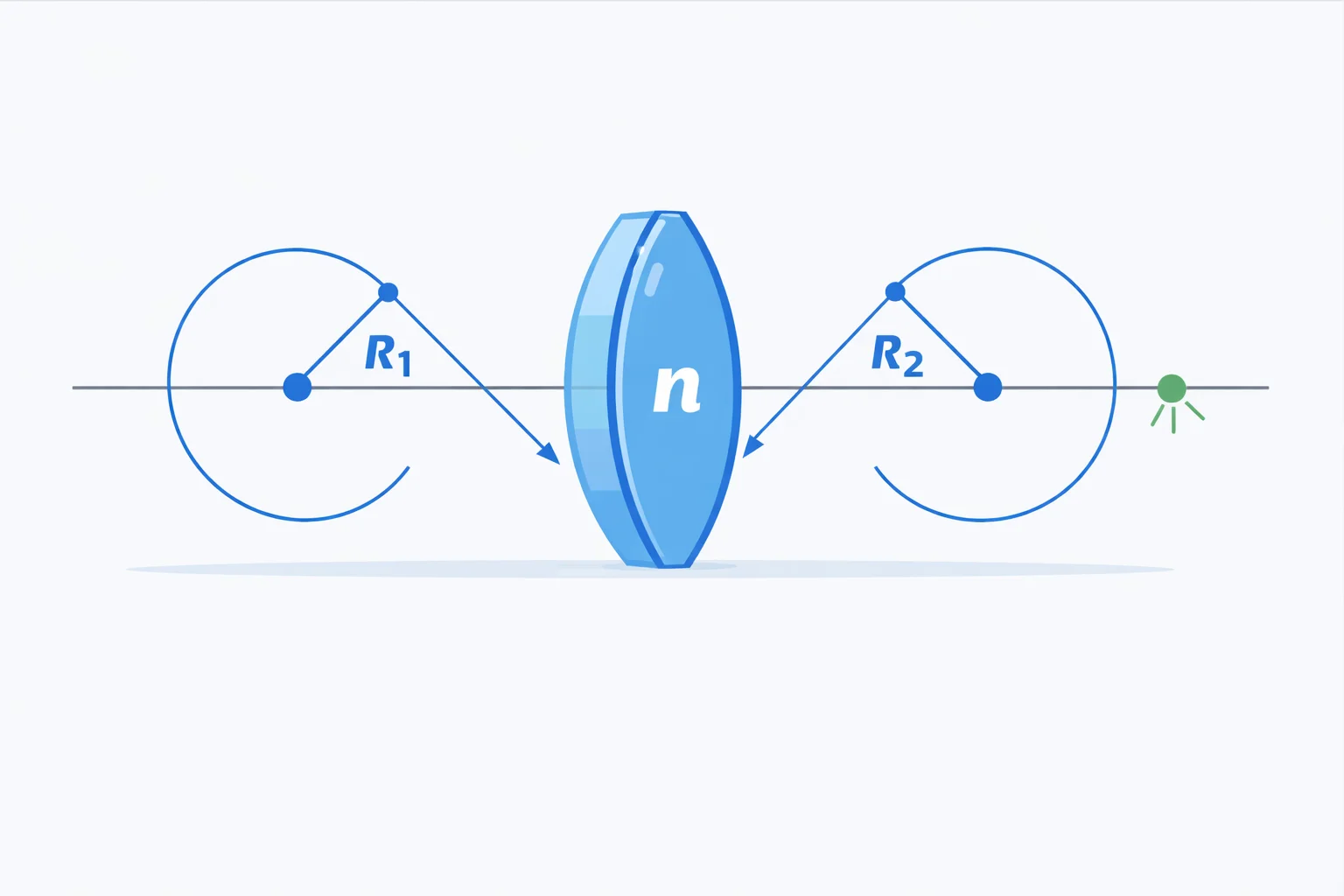
Thin Lens Calculator
Find focal length and lens power in diopters from surface radii with the lensmaker's equation, combine two-lens systems, and measure unknown lenses.
Use CalculatorUnderstanding Optics & Light
Optics is the study of light behavior, including reflection, refraction, and image formation. The thin lens equation (1/f = 1/d_o + 1/d_i) is the workhorse formula for solving lens and mirror problems. Place an object 20 cm from a converging lens with a 15 cm focal length, and the equation gives an image distance of 60 cm — a real, inverted image magnified 3 times.
Snell's law (n&sub1; sinθ&sub1; = n&sub2; sinθ&sub2;) governs how light bends at material boundaries. When light passes from water (n = 1.33) into diamond (n = 2.42) at 45°, it refracts to 22.8°. At steep enough angles, light in a denser medium undergoes total internal reflection — the principle behind fiber optics and the sparkle of a well-cut diamond, where the critical angle of 24.4° traps light inside.
Light is an electromagnetic wave, so optics builds on the foundations of wave physics — concepts like wavelength, frequency, interference, and diffraction all apply. At very small scales or high energies, classical optics gives way to modern physics, where light behaves as photons with energy E = hf, connecting optics to quantum mechanics and the photoelectric effect.